 The First Step to Thinking Ahead
A simple chess practice routine between lessons
By Chess Mentor Academy
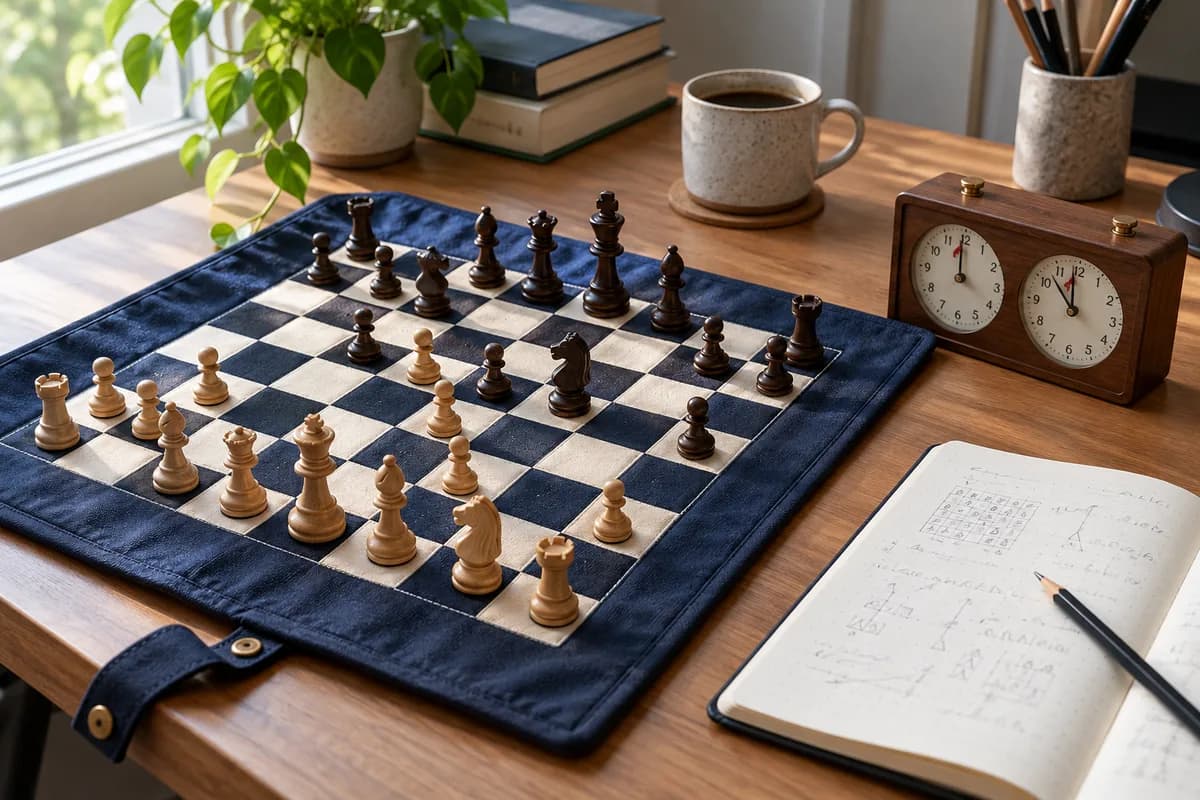
Practice between lessons does not need to feel like another long class. A short routine can help a student remember a new idea and notice it in their own games. Choose a time that fits school and other activities, and begin with a small task the child can complete without rushing.
Begin with the last lesson
Ask your child to explain one idea from their latest class. It might be a fork, king safety, opposition or developing a piece. Revisit a position from their notes and let them describe what they would look for. Explaining a decision shows where the idea is clear and where another example would help.
Solve fewer puzzles with more attention
Choose a few puzzles at the student’s level. Before moving, look for checks, captures and threats, then consider the opponent’s reply. If an answer is wrong, replay the position and find the missed response. The aim is to understand the pattern, rather than finish the largest possible number of puzzles.
Play a game with one clear goal
Use a practice game to try the lesson’s idea. A beginner might aim to develop their pieces and castle. An intermediate student might watch for undefended pieces. Choose a time control that allows the child to think; very fast games can make it difficult to practise a new decision process.
Review one moment before starting another game
After the game, find a position where the player felt unsure. Ask what they considered, what they expected the opponent to do and what happened next. Write down the question for the tutor. A loss can provide a useful lesson, and a win can contain mistakes worth understanding.
Keep the routine manageable
Try three short sessions during the week: one for lesson revision and puzzles, one for a thoughtful game, and one for reviewing that game. Adjust the length to the child’s attention and interest. If practice becomes frustrating, shorten the task and discuss it with the coach.
Parents can support this routine by making space for practice and asking curious questions. Avoid judging progress from every result. Over time, look for clearer explanations, better awareness of threats and more patient decisions. Those habits give the tutor something concrete to build on in the next lesson.