 The First Step to Thinking Ahead
Daily chess puzzles: a calm way to practise calculation
By Chess Mentor Academy
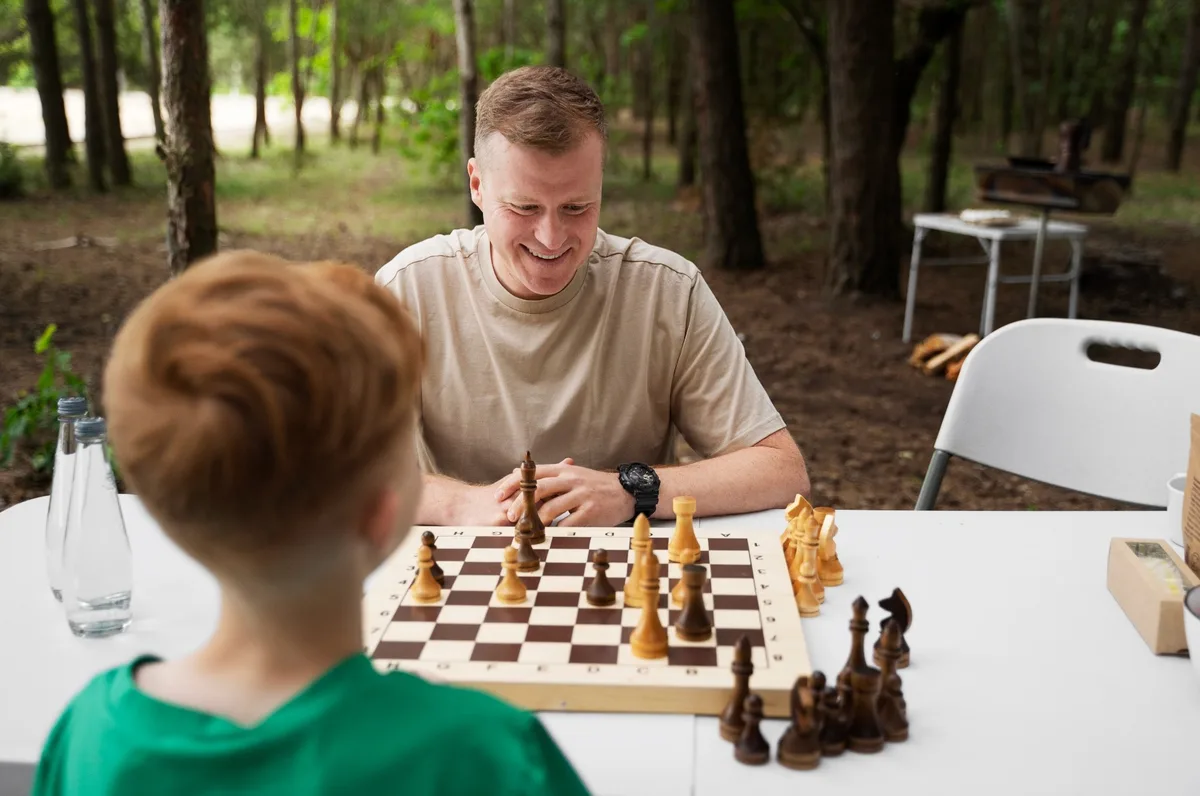
A puzzle is most useful when you explain the idea behind the move. Finding a correct first move is only part of the exercise: you also need to understand the opponent’s best reply and why your continuation works.
Read the position before choosing a move
Start by identifying whose turn it is, whether either king is in check, and which pieces are undefended. Count material and notice lines opened by bishops, rooks and queens. These details help you choose candidates rather than guessing.
Calculate one complete variation
Consider checks, captures and direct threats, then ask how the opponent could respond. A move that looks winning may fail to a capture or an intermediate check. Follow the line until you reach a position you can evaluate without another immediate tactical surprise.
Study an incorrect answer
If your move fails, replay the reply that refutes it. Name the missed detail: a pinned defender, an unsafe king, an overloaded piece or a loose rook. Record that idea in a notebook so your next session has a specific focus.
Keep the routine manageable
Choose a small number of positions appropriate to your level. Spend more time explaining one difficult solution than rushing through several guesses. You can practise visualising the line before moving pieces, then use a board to check it.
Bring the lesson to your games
After your next game, look for a position where the same pattern appeared. Tell your coach how you evaluated it and which reply you expected. Puzzle practice becomes more valuable when it changes the decisions you make over the board.